The phrase necessary child protection training can seem procedural, a tick-box exercise lodged in between first aid refreshers and staff induction. That reading misses what really happens in the training room. Individuals discover exactly how to find tiny things that indicate huge points. They exercise language that steadies a hard conversation. They rehearse reporting actions they wish they never ever need to make use of, after that utilize them anyway when a kid's safety depends on it. In 2025, with education and treatment teams extended and community services under pressure, that fluency is not a deluxe. It is core practice.
What has actually altered considering that the last refresher
Front-line team really feel the changes first. A lot more kids exist with anxiety and self-harm danger, family members stress factors are much more acute in some areas, and electronic life has included a layer of feasible damage that commonly leaves no visible bruise. Legal advice has actually been updated in several jurisdictions to develop thresholds and clarify duty-of-care borders. Reporting sites and hotlines have actually boosted, yet just assist if individuals know when and how to utilize them.
Language has developed also. Many solutions now emphasise cumulative damage and patterns over solitary cases. The bar for "affordable suspicion" has actually been made clear, though it still calls for judgment. Safety planning is increasingly joint with allied health and neighborhood supports, not simply a handoff to child protection. These changes show up directly in child protection understanding training and the way a modern child protection program frameworks scenarios.
In Australia, for instance, the CHCPRT025 device of proficiency, Recognize and report children and young people at risk, has actually come to be a typical support for useful learning. Whether supplied as a CHCPRT025 online training course or mixed program, great facilitators link the device's end results to regional regulation, education and learning division policies, and the facts of your market. The code matters less than the ability: observing meticulously, videotaping accurately, and reporting promptly.
A day from technique that changed my mind
Several years back, a key college teacher informed me regarding a boy, nine years old, that began using a hoodie each day, even in summer. He went to sleep in class, grew frenzied concerning handing in homework, and broke at good friends. None of those things met a limit alone. The teacher maintained an outdated log anyway, short and valid. Over 3 weeks she recorded 7 little problems and a discussion in which the child stated he was "poor in your home" and "frightened of getting it incorrect." She inspected policy, spoke with the college's protecting lead, and made a compulsory report.
Investigation later on discovered psychological misuse and escalating physical discipline that had not shown up on the surface. The child was positioned on a safety and security plan, parents received intensive support, and the institution became a support. The instructor's words still stick to me: "Educating gave me approval to rely on the pattern, not await proof." That is the difference between a child protection training certificate that warms a documents and training that changes practice.
Why compliance and care should rest together
Mandatory child protection training is often mounted in conformity terms, especially within department of education child protection training programs. Compliance issues. It lines up every person to regulation and policy, makes sure record-keeping standards, and establishes consistent expectations. Yet treatment underpins the whole business. You need both: the clarity to act and the empathy to engage.
When we deliver a child protection training course for early learning or out-of-school hours treatment, we see the difference in questions that staff ask near the end. The very first hour is frequently about lawful limits, CHCPRT025 assessment demands, and what gets approved for a child protection certificate. The last hour turns toward technique: Just how do I document without appearing accusatory? How do I keep a connection with a family while satisfying my duty? What happens if a youngster pleads me not to inform? Those inquiries rest at the heart of moral work.
The essentials of danger recognition in 2025
Abuse and disregard patterns are neither static nor very easy to reduce to checklists. Still, several pens routinely arise in child protection training courses that instruct just how to recognize and report youngsters and youngsters at risk. Comprehensive training maintains the frame wide: physical indications, yes, yet additionally developmental regression, abrupt attendance shifts, unusual food safety and security problems, age-inappropriate sexualised practices, or hypervigilance around certain adults.
Digital injury calls for attention currently in a manner it did not a years earlier. Image-based abuse, brushing through pc gaming systems, browbeating in colleagues, and constant direct exposure to fierce content can harm youngsters even in the absence of an offline wrongdoer. Child protection online training has grown more functional in feedback, with sessions on security conversations, privacy controls, and recording disclosures that come from electronic spaces.
Neglect continues to be one of the most regularly substantiated damage in lots of jurisdictions. It conceals in plain view: duplicated head lice without any follow-up, without treatment dental issues, fatigue from chronic late nights, missed out on health consultations, unpredictable lunch provision, and day care for younger siblings past their capacity. Training helps staff disentangle hardship from overlook, and recognize when and just how to use support and when the risk account demands an official report.
Reporting is an ability, not a button
People often think of the reporting moment as a solitary activity. In practice it is a little chain of actions that begins with observing and ends with documents. A robust CHCPRT025 course spends live on each link. Staff discover to strip subjectivity from notes, tape-record the youngster's words verbatim when risk-free to do so, and separate observed realities from analyses. They learn the circulation of internal notifications, when to intensify to management, and how to preserve discretion within a team.
Timeliness matters. So does top quality. A report that lands with child protection solutions requires to be clear and particular. Vague declarations like "the youngster seemed distressed" do not aid triage. Concrete instances do: "Youngster reached 8:55 am using a T-shirt and shorts during heavy rainfall, shuddering, mentioned 'we oversleeped the vehicle,' no lunch provided, second incident this week, see previous access dated 3 and 5 June." Throughout division of education and learning child protection training we sometimes practice converting woolly notes right into beneficial records. The modification is immediate.
The role of CHCPRT025, and what it does refrain from doing for you
The nationwide unit CHCPRT025 Identify and report children and youths in jeopardy establishes a requirement for core competencies. A high quality CHCPRT025 training program covers the legal context, indicators of misuse, reportable conduct versus duty-of-care problems, social safety and security, and documentation. When completed, the CHCPRT025 certification indicates a standard understanding. That standard is not the ceiling.
Two cautions matter. Initially, a CHCPRT025 training course does not change your local policies. You need to straighten unit finding out with jurisdiction-specific regulation, reporting paths, and any commitments linked to your function. Second, ability fades. Without refresher courses or reflective method, self-confidence drops and mistakes sneak in. The companies that do this well treat obligatory child protection training as the start of a discussion, after that keep that conversation to life with supervision, peer debriefs, and short scenario drills every term.
Cultural security is not optional
Working with First Nations youngsters, migrant households, and communities with varied social standards requires humility and attentiveness. Cultural security goes beyond considerate language. It asks you to consider historic trauma, area question of institutions, and the methods bias can skew your reading of a situation.
Consider a child who rarely makes eye contact and avoids adult discussion. In some cultures, that behaviour shows regard, not withdrawal. Alternatively, a warm, talkative caregiver can mask neglect if you relate sociability with safety and security. Good child protection understanding training helps team check presumptions, look for social suggestions sensitively, and apply the exact same evidence criteria to all family members. It also reinforces that culture never excuses damage. The harmonizing act is learned, after that fine-tuned with practice.
The human cost of waiting
Every experienced guarding lead can tell you concerning the price of delayed reporting. In some cases it is substantial: contusions that discolor prior to they are seen by a clinician, proof that goes uncollected, a child who recants under stress. Occasionally it is relational: a personnel carrying fear for weeks and losing sleep, an erosion of count on within a group when coworkers later uncover the delay.
A child protection training course can aid team rehearse the very early conversation that breaks the inertia. You do not have to be particular, simply mindful and prompt. You are not examining, you are reporting problem. Strong programs make this difference sensible, not academic, by running short, reasonable circumstances. The routine forms: notice, document, speak with, report, support.
What leaders can do to make training stick
Training lands best when leaders frame it as part of shared technique, not a compliance task. That starts with turning up. Sit in the space, ask questions, version inquisitiveness. Make sure your plans are functional in the messy middle of an institution day or a hectic child care solution. Do a table-top practice session: a nineteen-minute workout where the team goes through a theoretical case from observation to hotline phone call to parent communication. You will appear gaps immediately, typically tiny but consequential ones.
Invest likewise in the environment. Personnel need soothe, personal areas for sensitive conversations and safe systems for record-keeping. Embed brief debriefs after real cases. Acknowledge that vicarious trauma is actual and collective. When individuals recognize the organization cares for its adults, they remain steadier for its children.
Record-keeping that helps as opposed to harms
I have actually checked out way too many notes that compromise a case inadvertently. 3 fixes pay dividends. Day and time every access. Usage crisp, neutral language that explains the practices or monitoring. Connect speech specifically: Child said, "I do not want to go home," not Youngster https://jeffreythlv689.image-perth.org/child-protection-training-for-schools-and-early-discovering-a-full-overview said they did not want to go home because they are being struck. The second sentence leaks interpretation.
Avoid speculation and diagnoses. Create, "Youngster flinched when grown-up elevated voice throughout team task," not "Kid is traumatised." Keep documents in the designated system, not individual notebooks, and withstand the lure to tidy or retro-edit after the reality. If you add new info, add it https://riveriqmf091.tearosediner.net/chcprt025-online-program-learn-to-determine-and-report-risk-properly as a brand-new entry with a timestamp. These practices are a staple in child protection training program web content for a reason. They stand when decisions are evaluated months later.
Working with families without losing your footing
Most records do not lead to removal. Numerous cause assistance, tracking, and gradual change. Your functioning connection with a family can assist or prevent that procedure. The stress is actual: you owe honesty to both the household and the system. Educating gives language for the tightrope.
A useful method: be transparent regarding your role and responsibilities from the outset, make use of simple words, and explain certain worries instead of tags. "We have a duty to keep children safe. I am concerned due to the fact that Jamie came without lunch three times today and appeared very hungry each time. I need to make a record so we can obtain sustain about this." That is extremely various from, "We have to call child protection as a result of overlook." The material may be similar, yet the framing keeps self-respect intact while meeting your duty.
The online shipment question
In 2025, a lot child protection online training is premium quality, interactive, and time-efficient. A CHCPRT025 online program can function well for groups spread out across websites or for personnel that need flexible timing. The risk depends on passive consumption. If individuals deal with modules as something to click with at rate, retention drops.

Blended versions normally do finest. Self-paced content covers lawful frameworks and core indications. After that a live session, face to face or through video clip, handles situation discussion and technique. Brief, localized case studies make the difference. If your solution collaborates with babies, a situation concerning disclosure in a teen colleagues is useful theoretically but not in your daily practice. Ask providers to tailor. Great companies of child protection training courses will, and the improvement receives staff engagement.
Avoiding the incorrect comfort of a certificate
A child protection training certificate demonstrates completion, not mastery. The CHCPRT025 certificate does not ensure that a new teacher will certainly know when a chronic lateness pattern crosses a threshold or just how to hold consistent in a disclosure. Mastery comes from repetition, supervision, and feedback.
I typically suggest managers track 2 points post-training: time from very first recorded problem to consultation, and time from consultation to report where threshold is met. Both metrics trend downward in healthy systems, not due to the fact that individuals thrill yet because they grow much more positive regarding limits and procedures. Match the data with qualitative learning from debriefs. Over 6 to twelve months, the organization ends up being sharper and calmer under pressure.

Edge instances that are worthy of daylight
Safeguarding seldom fits a neat layout. A couple of side instances show up often enough to talk about in every child protection training 2025 refresh:
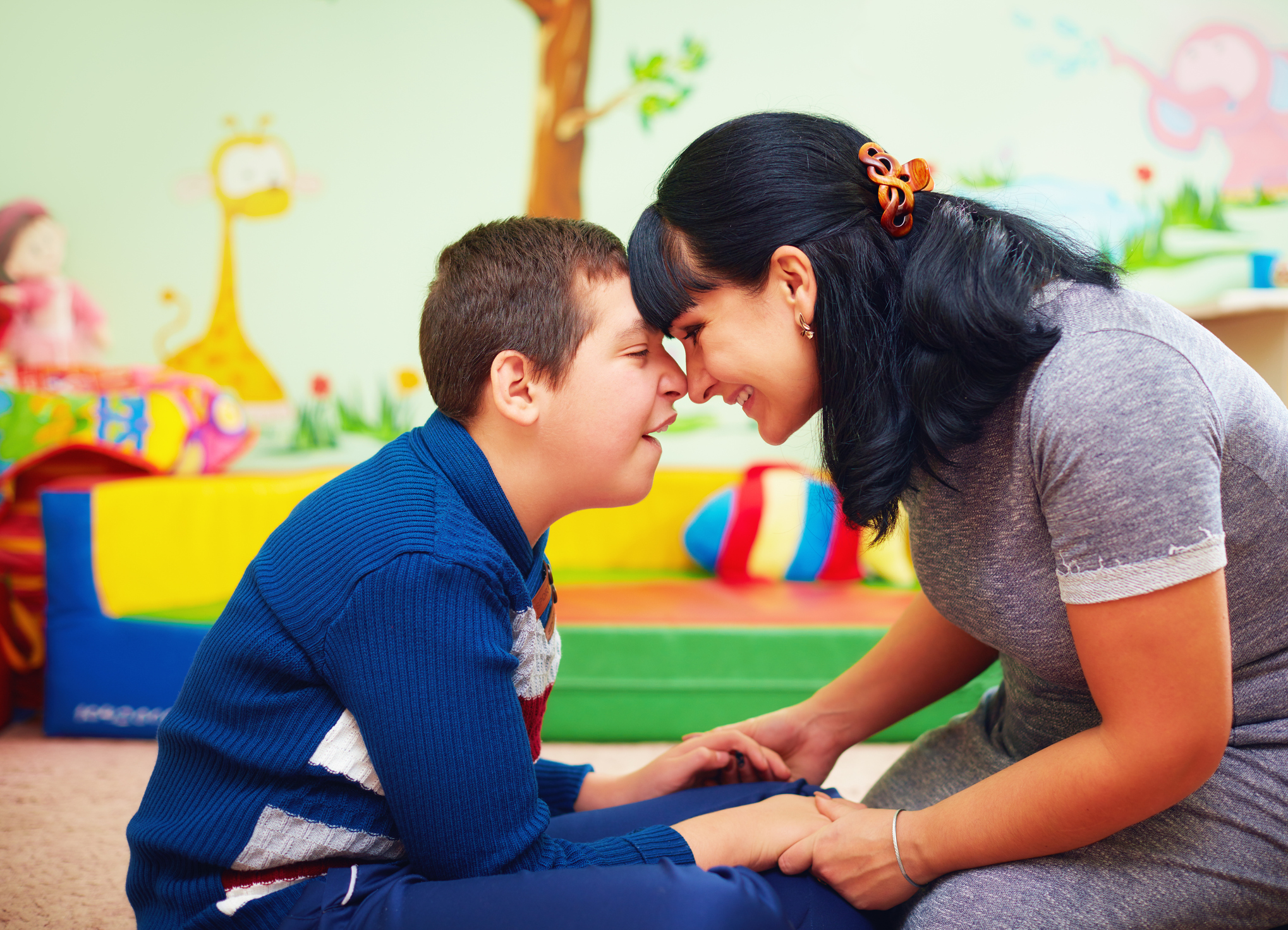
- Allegations against staff: Policies must be clear. Coverage to an external body does not avert prompt inner actions to secure children, such as momentary redeployment. Manage privacy without secrecy. Consent and discretion with teenagers: Young people may ask you to keep disclosures personal. Know your obligations and exactly how to discuss them professionally. Wherever feasible, involve the young adult in the reporting procedure to protect agency. Cross-border problems: In regional locations, kids relocate between jurisdictions for institution, care, or sporting activity. Reporting paths can vary. Maintain a quick-reference map of hotlines and thresholds for the locations you serve. Disabled kids and communication obstacles: Adapt your method. Use visuals, simplify questions, and permit more time. File the assistance you made use of so others can follow your lead. Cumulative threat in high-need family members: One-off episodes might seem small, however the pattern is the harm. Training needs to teach just how to synthesize numerous low-level issues into a meaningful record that shows rising risk.
What a strong training session feels and look like
When a child protection course functions, personnel leave both steadier and more sharp. The session mixes quality and conscience. It makes area for discomfort, because discomfort is truthful. It introduces frameworks without lowering children to checkboxes. Individuals technique, after that practice once more, till the coverage circulation really feels mundane instead of terrifying.
Providers that recognize this equilibrium construct situations that ring true. An educator hears a half sentence at pick-up, a train notices a change in bathing routines after sporting activity, a curator sees a pattern of appetite on school holidays. The very best sessions include a brief sector on self-care and group treatment, not as a soft add-on, yet because nerves matter. Individuals make better choices when grounded.
For very early childhood years: particularities that matter
Early youth instructors run near the home atmosphere. They see sleep patterns, feeding regimens, parent-child interactions at drop-off and pick-up, and the ups and downs of accessory. A child protection course for childcare must lean right into these specifics. It ought to also attend to the obstacle of infants and young children that can not disclose verbally.
Documentation in very early childhood needs to capture developmental standards and changes: regression in toileting, loss of previously understood words, abrupt anxiety of touch in health regimens, or incongruent affect during play. Training ought to additionally consist of delicate moms and dad conversations in busy foyers, where personal privacy is scarce and moods can flare. Tiny layout options aid: a quiet corner with chairs at equivalent height, a plan one-pager given up simple language, and set up follow-ups rather than impromptu debates.
For institutions: the internet of responsibility
Schools hold an one-of-a-kind position. They are necessary press reporters, centers of multidisciplinary support, and commonly the initial stable grown-up environment a youngster finds each day. Division of education and learning child protection training commonly integrates trainee well-being structures, reportable conduct plans, and team code-of-conduct obligations. Educators additionally browse borders around trainee discretion, peer characteristics, and online behaviour that continues long after the bell.
One functional device that assists is an easy inner decision tree that lines up to policy but fits the rhythm of a school day. Staff can glance at it and understand: talk to the safeguarding lead, record in the protected system before you go home, do not promise secrecy, do not await an excellent story. With time, the choice tree becomes muscular tissue memory.
Measuring effect without minimizing youngsters to metrics
Leaders often ask just how to confirm training jobs. Look beyond participation numbers. Helpful indications consist of the top quality of taped monitorings, the percentage of reports that meet threshold, the security of personnel under tension events, and the rate of very early appointments that lead to sustain without legal involvement. Triangulate with external feedback from child protection services or family members support companies on the clearness of your reports.
Qualitative tales matter as well. A new teacher who smoothly manages a disclosure the proper way, an instructor that catches a grooming pattern early in an on the internet team chat, a curator that notifications food insecurity and links a family right into neighborhood solutions. Accumulate these not to celebrate injury, but to discover what competence seems like in your context.
A short, practical checklist for your following training cycle
- Map your training to function and danger. Dressmaker sessions for very early childhood, primary, second, sporting activity, or library settings. Blend layouts. Use on the internet modules for law and policy, live technique for situations and reporting flow. Rehearse inside. Run a 20-minute tabletop drill each term. Tighten bottlenecks you discover. Support the supporters. Construct debriefs, guidance, and accessibility to counselling into your calendar. Audit your documents. Taste a dozen anonymised entries each quarter for quality, specificity, and timeliness.
The ethical core that never ever changes
The context shifts. Regulations updates, reporting sites get rebranded, and device codes advance. Yet the honest core of this work holds. Youngsters count on adults to see, to ask cautious questions, to think them when they talk, and to act within a system that occasionally really feels abstract till the minute it need to safeguard a single kid. Necessary child protection training exists to make that system human and usable. It transforms concepts into habits.
If your company is preparing its 2025 cycle, pick a provider who comprehends practice, not simply policy. Make area for your team to chat with real issues. Insist on scenarios that match your service. Deal with the CHCPRT025 training as a base, after that build craft on top. And keep in mind the educator with the summer season hoodie tale. She did not wait on proof. She trusted the pattern, complied with the process, and helped a youngster discover safety. That is the work.